

According to data from the Ministry of Human Rights and Refugees of BiH, nearly 1.17 million people born in BiH live outside the country. Including second- and third-generation descendants, the total number of people from Bosnia and Herzegovina living in the diaspora is estimated at around two million. Yet only 48,074 voters are registered on the voter list for voting outside Bosnia and Herzegovina.
Why does the diaspora not vote? Research conducted this year by Radio Free Europe points to disinterest, disappointment in politicians, and the belief that their vote will not change anything.
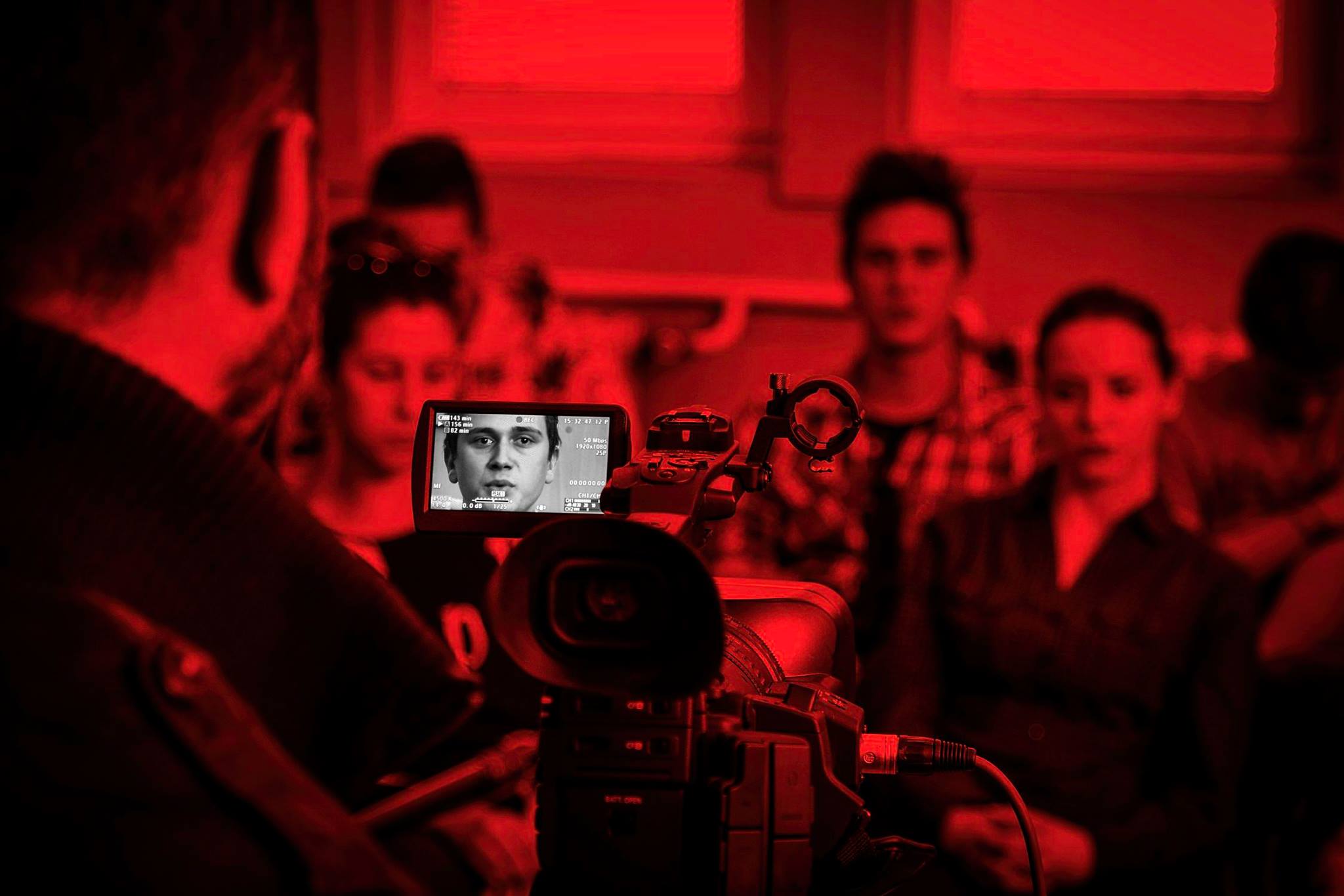
Here is what Nejla, Teodora, and Jasmina told Perspektiva in Graz.
“I would say that one of the biggest problems for us, young people in Austria, is our own identity. When someone asks me, “Where are you from?” should I say where my grandmother or mother is from, or should I answer, “I’m from Graz,” where I was born?”
https://www.youtube.com/watch?v=8kc7pdT9c3k
“How can you activate that spirit, that understanding of politics, among young people when, at home, all you hear is, “What can we do now?”, “What can we do about it?”, “That’s just how it is”? That sentence, “That’s just how it is, nothing will change”, is why, in the end, nothing really does change.”
https://www.youtube.com/watch?v=8kc7pdT9c3k
“How can we, as a society, take a step forward when we are constantly moving backwards? War is a key issue in today’s BiH society.”
https://www.youtube.com/watch?v=ufgqZg-AOWo
Another major reason why the diaspora does not vote is the voter registration procedure. Data shows that by July 20, almost 50,000 people had opened an account on the e-Elections platform, but only 31,300 met the requirements. Thousands of applications were incomplete. The authorities do not make it easy for the diaspora to vote. Voting registration in BiH is more complicated than in any other country. First, you have to fill out a form, then sign it, make a copy of your personal document, provide proof of your stay abroad, send everything in, and wait for a response. A voter already registered in the state records must once again actively confirm that he or she wants to vote abroad.
In Croatia, citizens with an ID card are automatically registered as voters. No additional procedure is required. If a BiH citizen wants to vote at an embassy, there must be at least 50 people interested in voting there. If fewer than 50 register, the embassy cannot organize voting. Croatia and other countries do not impose such a restriction. In other words, the Croatian system asks how the state can make it easier to determine where a citizen wants to vote, while the system in BiH requires re-registration. Therefore, a BiH voter in the diaspora must prove that he or she has the right to vote – a right they already have.
“The moment you give up on elections, I’m afraid you’ve given up on life in this society. After all, elections aren’t just about democracy and politics.”
https://www.slobodnaevropa.org/a/retrospektiva-perspektive-13-epizoda-osme-sezone/31678291.html
Our guest, SRĐAN PUHALO, social psychologist, made this statement for Perspektiva four years ago. So, who gave up on whom – the state on the diaspora, or the diaspora on the state? The answer will be revealed at the general elections scheduled for October 4.