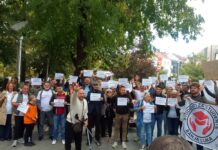


In Graz, Austria, 14% of the population are citizens who came from European Union countries, while another 15% arrived from elsewhere. In other words, nearly a third of the city’s residents are migrants. Among them, of course, are many young people from the countries of the former Yugoslavia.
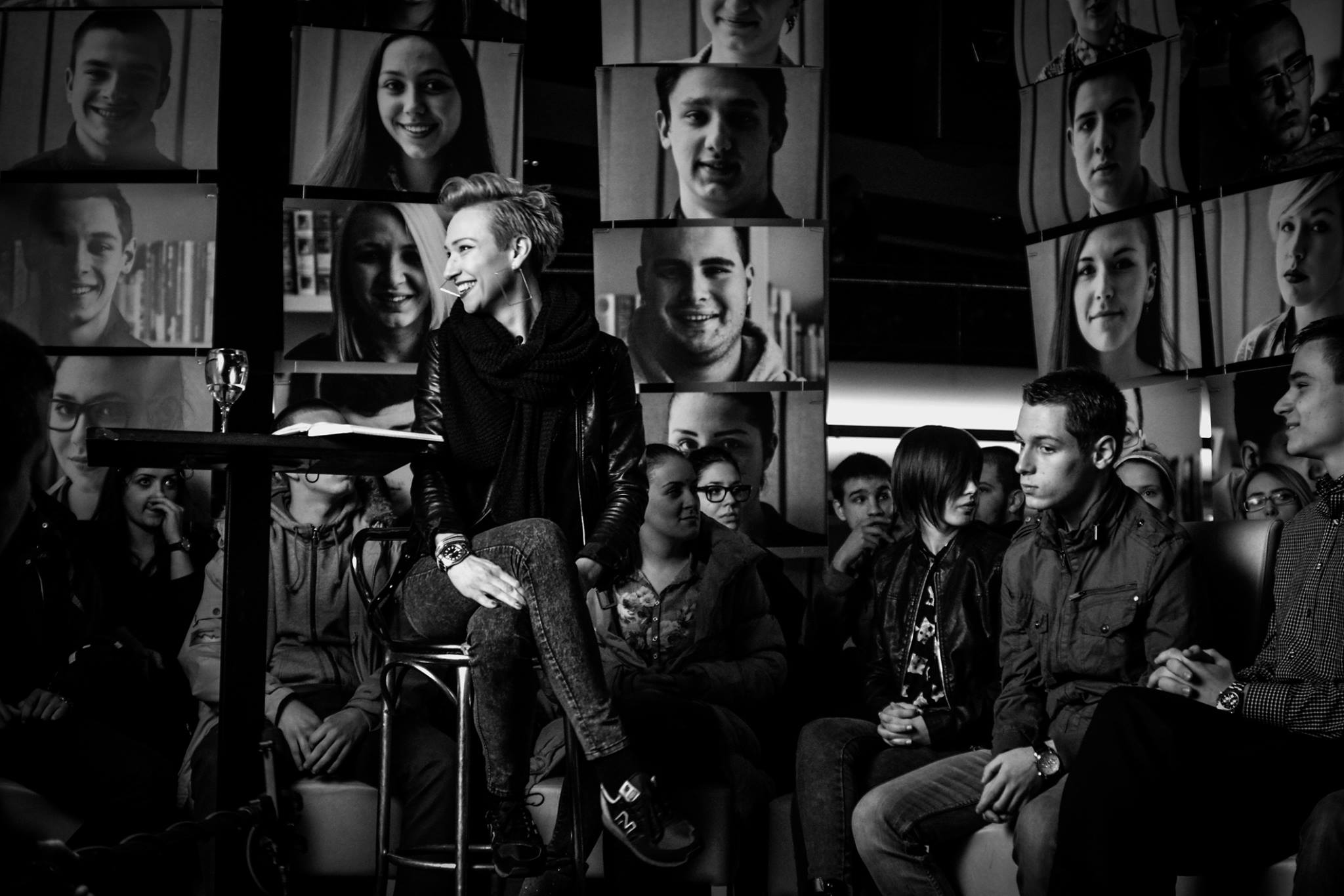
The show Perspektiva does not usually travel abroad to speak with young people. But on this occasion, it was important to hear about the problems they face. It turned out that their main struggle is identity.
“I would say that one of the biggest problems for us young people in Austria is our identity. When someone asks me, “Where are you from?” should I say where my father or mother come from, or should I say that I’m from Graz, where I was born?”
https://www.youtube.com/watch?v=8kc7pdT9c3k
“Chin up, I have nothing to be ashamed of here. I’m here with the same rights as everyone else. But is my integration into Austrian society, in some way, a betrayal of my Balkan identity?”
https://www.youtube.com/watch?v=8kc7pdT9c3k
“The first question is often, “Where exactly are you from?” So, there’s always a need for more detail, so instead of focusing on what connects us, people focus on what sets us apart. This guy is from Split, this guy is from Zagreb, this guy is from Krajina, this guy is from Herzegovina, this guy, that guy. In my opinion, all of that is completely unimportant. Of course, it all depends on perspective, but in my opinion, it’s not important at all. Especially when you see how people judge you on that basis.”
https://www.youtube.com/watch?v=8kc7pdT9c3k
“I think the biggest problem, somehow, at least in my life, is a combination of all the problems that have already been mentioned – trying to define yourself when you know that you come from and belong to various places, but now you are here.”
https://www.youtube.com/watch?v=8kc7pdT9c3k
Young people in Graz speak about moments when they are treated as foreigners. Many of them, like Semra and Irina, believe the problem goes even deeper.
“Anti-Slavic racism is, by the way, a serious issue.”
https://www.youtube.com/watch?v=8kc7pdT9c3k
“I am concerned about the politics that support and encourage it, that keep fueling it. And I am worried about institutional racism and discrimination.”
https://www.youtube.com/watch?v=D9Gdnp8TuC0
Sana questions why she should even feel the need to become more Austrian, while Mirna raises the issue of the double standards we apply to ourselves and to other migrants.
“I have often felt uncomfortable expressing my opinions, and I asked myself if I really want so badly to belong in these countries? Of course, I understand people who were born here, absolutely.”
https://www.youtube.com/watch?v=6z1HeasnC3g
“We treat that group of people as if we ourselves had not gone through the same thing for the past 30 years. It is really difficult for me to talk about these issues knowing that we do the same in our own countries…”
https://www.youtube.com/watch?v=6z1HeasnC3g
“…We ourselves suppress large groups of people, and then we come on these shows and complain about how it feels when it happens to us..”
https://www.youtube.com/watch?v=6z1HeasnC3g
It is interesting to note that young people living in the countries of the former Yugoslavia are often forced to reduce their identity to ethnicity alone, while those living abroad carry two identities – one tied to the country where they live, and another tied to where they come from. Every day, they live two lives.